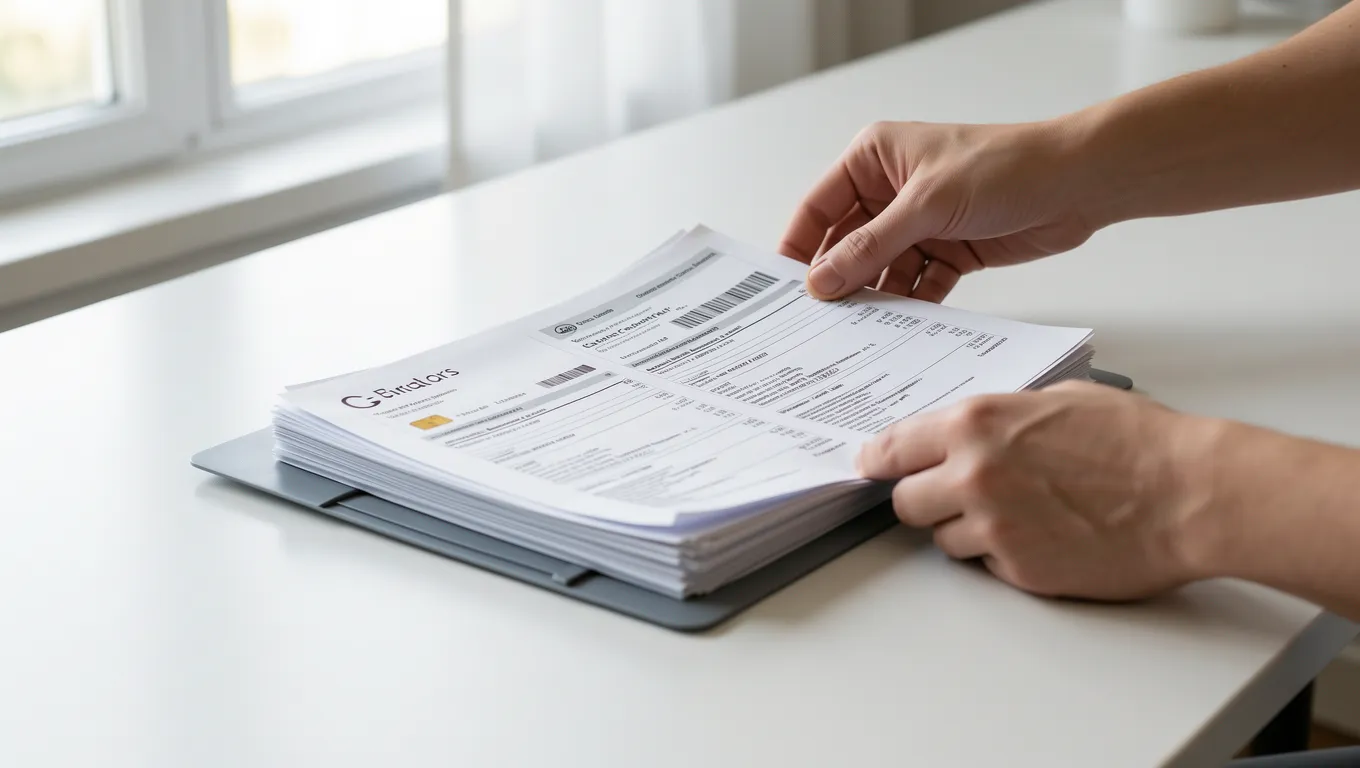
Take control of multiple high-interest payments by combining them into one manageable monthly installment. Our platform helps you find lenders that may fit your 2026 financial goals.
No hard credit pull · Takes 2 minutes
Won't impact your credit score
Provide basic details about your current debt and financial situation through our secure online form.
Review a selection of lenders that may offer personal loans for debt consolidation tailored to your needs.
Choose the lender that best matches your requirements and complete the formal application directly with them.
Managing multiple high-interest balances can feel like an uphill battle in a complex economy. When you are juggling various credit card payments, retail store debts, and medical bills, the mental load of tracking different due dates and interest rates is significant. This is where personal loans for debt consolidation may offer a strategic solution to streamline your financial life. By taking out a single fixed-rate installment loan, you could potentially replace several higher-interest obligations with one manageable monthly payment.
According to data often discussed by the Consumer Financial Protection Bureau (CFPB), understanding the terms of your credit is vital before committing to new debt. A consolidation loan can help lower your total interest paid if the APR on the new loan is significantly lower than your current weighted average rate. For instance, many borrowers find that moving from 24% APR credit cards to a personal loan with an APR range of 6%–36% can lead to substantial savings over the life of the debt. This shift doesn't just simplify your schedule; it may also assist in reducing your total interest expense if managed correctly.
However, it is important to consider your debt-to-income ratio and overall credit utilization when applying. Lenders will look at how much you owe compared to how much you earn to determine if a loan could be appropriate for your situation. While the goal is to simplify, using this method effectively requires a disciplined approach to avoid accumulating new debt on the cards you just paid off.
| Method | Typical APR | Impact on Credit | Speed of Use | Complexity |
|---|---|---|---|---|
| Personal Loan | 6% - 36% | Positive (Lower Utilization) | Fast | Low |
| Balance Transfer Card | 0% Intro / High Later | Neutral/Positive | Moderate | Moderate |
| Home Equity Loan | 5% - 12% | Variable (Secured) | Slow | High |
| 0% APR Credit Card | Variable/Intro Rate | Positive (if paid on time) | Fast | Moderate |
| Debt Settlement | N/A | Likely Negative | Slow | High |
One of the primary drivers for seeking personal loans for debt consolidation is the desire to optimize cash flow. When multiple debts have different due dates and varying interest rates, it becomes difficult to maintain a strict budget. By consolidating these into one loan, you create a predictable monthly expense, which can be vital for long-term financial planning in 2026.
It is important to note that the interest rate savings are not guaranteed and depend heavily on your credit profile at the time of application. If you have already significantly improved your credit score since taking out your original debts, you may qualify for a much lower APR. This reduction in interest can shorten your path to becoming debt-free by ensuring more of your payment goes toward the principal balance rather than just covering interest charges.
Financial experts often suggest that borrowers review their total cost of borrowing before proceeding. While a lower monthly payment is attractive, it may result from an extended loan term. For example, extending a debt repayment period from three years to five years might lower your monthly bill but could increase the total interest paid over the life of the loan. Always weigh the immediate relief of lower payments against the long-term cost of the credit.
The requirements for securing personal loans for debt consolidation can vary significantly between different lenders. Generally, most lenders will evaluate your credit score, annual income, and existing debt obligations. A higher credit score often correlates with lower interest rates, making it easier to achieve the goal of meaningful interest savings.
Beyond just a credit number, lenders in 2026 are increasingly looking at alternative data points, including your employment history and stability. They want to ensure that you have a consistent stream of income to support the new loan's repayment schedule. Demonstrating a stable debt-to-income ratio is often a key factor in whether an application may be approved.
It is also worth noting that some lenders might offer unsecured loans, which do not require collateral like your home or car. This makes the process simpler for many, but it can also influence the interest rates offered. Understanding whether you are applying for a secured or unsecured option is an essential step in determining your eligibility and potential costs.
When exploring personal loans for debt consolidation, it is crucial to differentiate between fixed-rate and variable-rate options. A fixed-rate loan provides the stability of knowing exactly what your payment will be every month until the balance is paid in full. This is highly beneficial for those who prioritize budget predictability.
On the other hand, some lenders may offer variable rates that can fluctuate based on market conditions. While these might start lower than fixed rates, they carry the risk of increasing over time. Most people seeking debt consolidation prefer the certainty of a fixed term to ensure their repayment strategy remains on track without surprises.
Additionally, you should always inquire about origination fees. Some lenders charge an upfront fee that is deducted from your loan proceeds or added to the total balance. While this is common, it is another cost to factor into your overall math when comparing different consolidation options.
Check for any errors or inaccuracies on your report to ensure you are presented with the best possible rate.
Look beyond just the monthly payment and calculate the total cost of the loan over its entire term.
The biggest pitfall is using your newly freed-up credit cards to buy more things, which can double your debt.
Ensure your new loan allows you to pay it off early without any additional fees or penalties.
We connect you with a diverse range of lenders to help find the best match for your specific credit profile.
Your sensitive financial information is handled with industry-leading encryption and privacy standards.
Our streamlined matching process allows you to explore options quickly without unnecessary delays.
We provide clear, straightforward information so you can make an informed decision for your future.
Adjust the sliders to see an instant estimate. Actual rates depend on your credit profile.
* Estimate only. Actual rate and terms depend on lender approval.
Estimated Monthly Payment
$332.14
per month for 36 months
No impact on your credit score